In this guide
Hotels produce a remarkable amount of waste. The average guest leaves behind about two and a half pounds of trash per day, and a 200-room property at decent occupancy generates several tons a month before the restaurant, banquet floor, and housekeeping carts are counted. Recycling bins and open dumpsters were never designed for that volume, which is why more properties are trading them for a compactor.
A compactor does not replace recycling. It replaces the loose dumpster: the part of the program that leaks money, smells in July, and eats staff time. Here are the five reasons hotels make the switch, with the math behind each one.
1. Fewer pickups, smaller hauling bill
Hauling is billed per pull, not per pound. Every time a truck lifts a dumpster you pay the pull fee, fuel and environmental surcharges, and container rent, whether the box was full or half air. Loose hotel trash is mostly air. A compactor packs it at roughly 4:1, so a property being emptied four times a week typically drops to once a week or once every two weeks. The business case usually lands in the $800 to $1,500 a month range for a mid-size property, which pays back a reconditioned machine in well under two years.
2. Odor, pests, and the back-of-house impression
Guests rarely see the dumpster, but they smell it from the pool deck and see the birds working it from the parking lot. A self-contained compactor is a sealed, leak-tight unit: the compaction chamber and the container are one welded body, so food waste from the kitchen and banquet floor stays inside, drainage is captured, and there is nothing open for pests to find. For a property with a restaurant, that alone justifies the machine.
3. Less staff time on the trash run
Housekeeping and stewarding staff make dozens of trips a day to an open dumpster, lifting bags over the rim and chasing spilled trash across the lot. A compactor with a ground-level or dock-height charge box, or a chute-fed unit in a high-rise, turns those trips into a walk to the hopper and the push of a button. Multiply the saved minutes by every shift and it is real labor back on the floor.
4. Space you can use for something else
Two or three open dumpsters plus the room a truck needs to lift them consume a lot of back lot. One compactor on a pad, often inside a fabricated enclosure that matches the building, frees that footprint for deliveries, employee parking, or the outdoor space guests actually pay for.
5. Sustainability numbers you can report
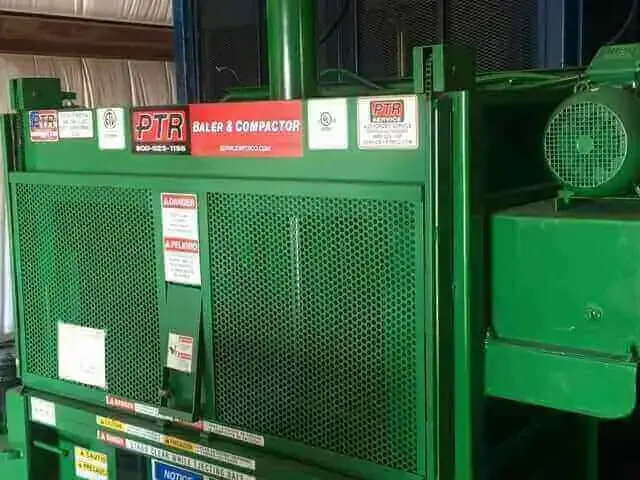
Green certifications and corporate ESG reporting ask for diversion and hauling data. A compactor cuts truck trips (and the diesel behind them) and pairs naturally with a vertical baler for the cardboard that arrives with every delivery. Baled cardboard is a commodity that offsets hauling costs instead of adding to them, and the pickup and bale counts give the sustainability report numbers that hold up.
What a hotel compactor typically looks like
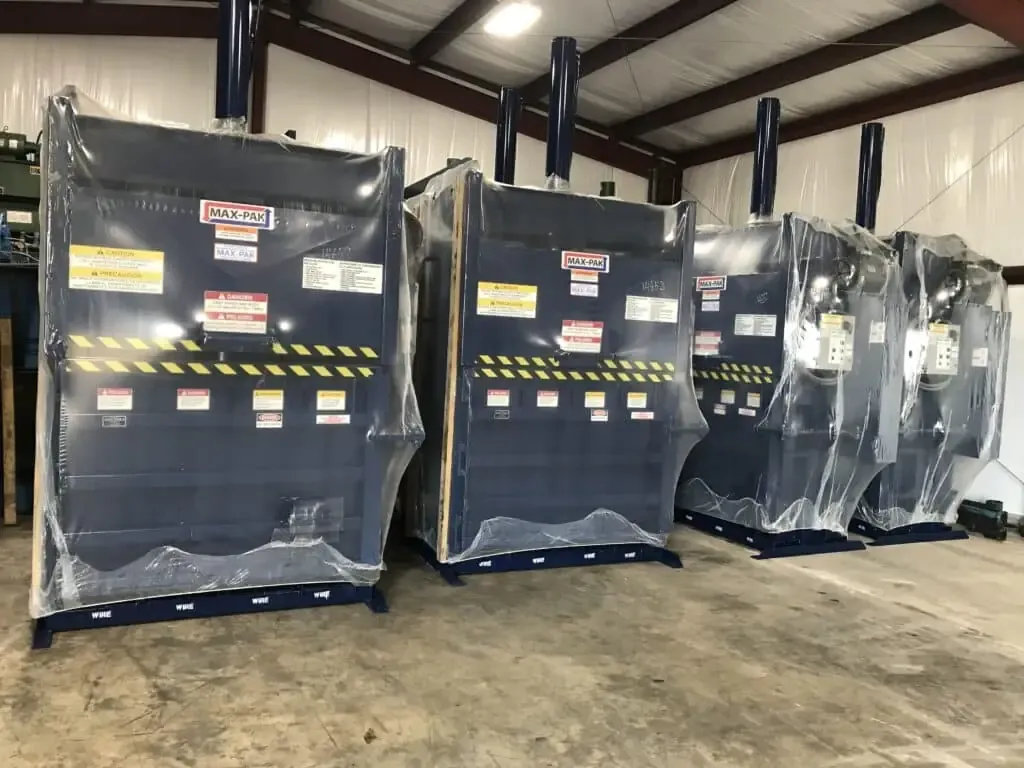
Most properties end up with one of three setups: a sealed self-contained compactor near the kitchen for wet waste, a stationary compactor at the dock if the stream is mostly dry, or a vertical or chute-fed unit for high-rise towers with a trash room on each floor. Sizing depends on room count, food and beverage volume, and how much cardboard comes through receiving. Our waste stream consultation reads your current hauling invoices and sizes the machine from real numbers, at no charge.
Ready to switch?
If your property is ready for a more efficient system, make Norton Equipment your first call. We sell new and reconditioned compactors, install them with our own crew, and service every brand across the Mid-South. Contact us or call (662) 838-7900 for one-on-one guidance and a machine installed fast.