
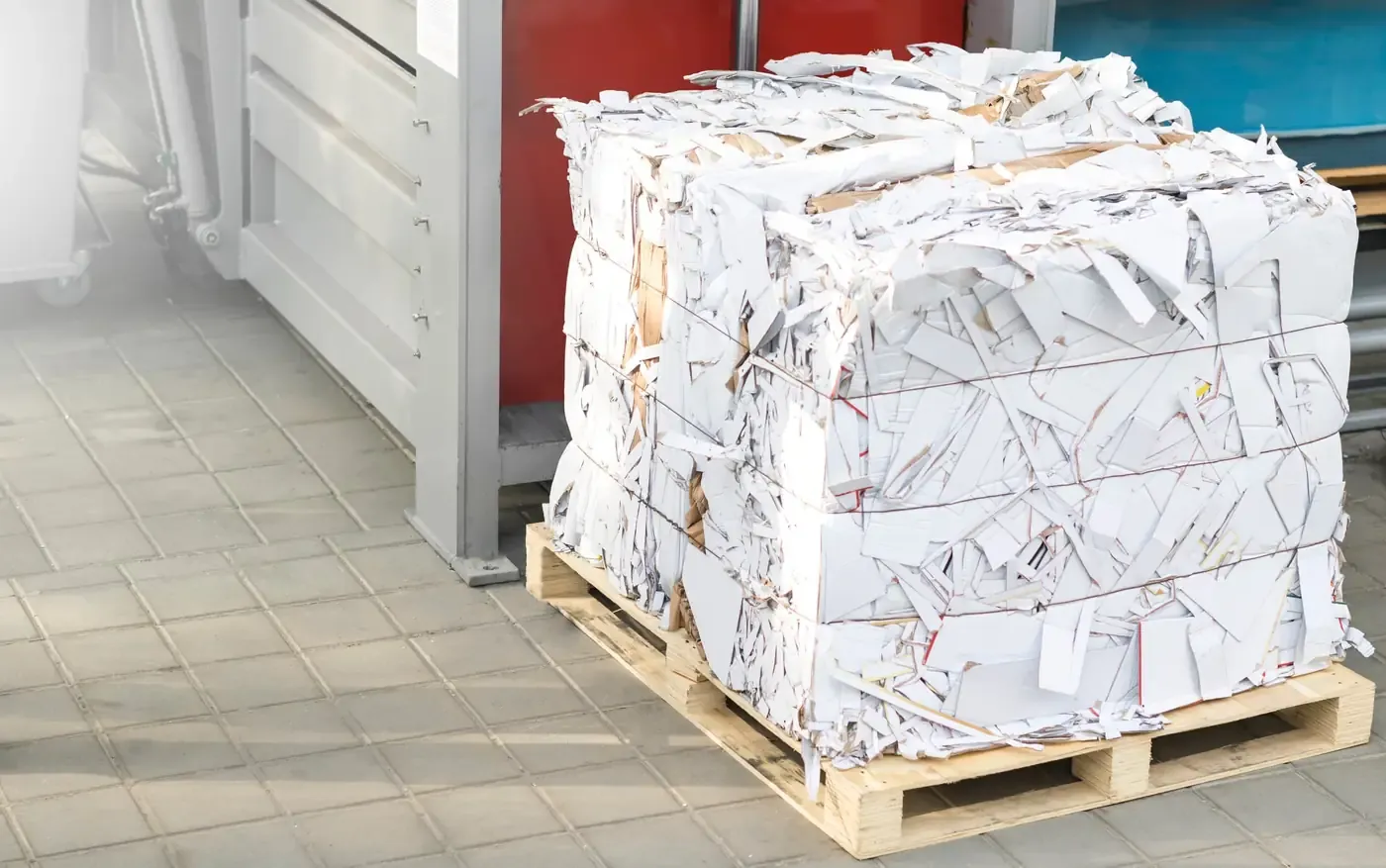
A seasonal cardboard plan starts with the material your facility actually receives and the time available to handle it. A quiet-day estimate can miss the pressure created by deliveries arriving together. Review previous busy periods and ask receiving staff where the process backed up.
In this guide
Plan around the busiest receiving period
A seasonal cardboard plan starts with the material your facility actually receives and the time available to handle it. A quiet-day estimate can miss the pressure created by deliveries arriving together. Review previous busy periods and ask receiving staff where the process backed up.
Record practical measures you can maintain: deliveries by shift, cardboard handling time, pickup dates and existing bale output where applicable. Keep unlike measures separate. A count of loose boxes is not a measured bale weight, and a nominal machine specification is not a guarantee of your site’s output.
Separate material before comparing equipment
Identify clean cardboard separately from plastic film, mixed waste and other material. Ask your recycler what is accepted and how it should be prepared. Contamination requirements should shape the handling plan before a new machine is selected.
Map where cardboard is generated and how it reaches the baling area. Repeated handling, congested aisles or poorly located collection points can be workflow problems rather than evidence that the baler is too small. Include the employees who do the work in the review.
Plan the space after the bale is made
Bale storage and collection access matter alongside the equipment footprint. Identify where completed bales are held, how they are moved and how the recycler collects them. Coordinate the layout with the facility’s safety and material-handling requirements.
Do not solve a temporary volume spike by blocking exits, access routes or machine controls. If the available space is inadequate, discuss pickup frequency and storage arrangements with the recycler and facility team before choosing a larger machine.
Use the calendar to coordinate service and collection
Review the existing equipment’s maintenance instructions and service history before the busy period. Arrange any needed assessment with qualified personnel rather than waiting until the receiving area is full. Confirm holiday or seasonal collection arrangements directly with the recycler.
Keep a contact list for equipment service and collection. Define who reports problems and who can authorize work. A seasonal plan should explain what happens if equipment or collection is unavailable, using arrangements the facility has actually confirmed.
Compare balers against the complete operation
Bring volume records, material types, space constraints, staffing and pickup requirements to the equipment discussion. Ask how a proposed baler fits the actual workflow and what site preparation, training and ongoing service it requires.
Norton’s baler and recycling equipment pages are a starting point for comparing categories. A facility evaluation can address the details that a category page cannot. Request a recommendation based on your records; do not assume a machine will deliver a specific labor saving or payback without a documented analysis.
Discuss your facility with Norton
Explore retail recycling services and equipment or send a project inquiry. Call (662) 838-7900 for service scheduling questions.
