Why should a company recycle? Because it saves money on hauling, keeps raw materials moving through American manufacturing, and keeps a surprising amount of energy and landfill space in reserve. Here are ten reasons, with current figures from the EPA and the recycling industry.
- Good for our economy. American manufacturers rely on recycled paper, metal, and plastic as feedstock. A bale of cardboard leaving your dock is the raw material for the next box.
- Creates jobs. The U.S. recycled materials industry supports roughly 500,000 jobs and about $117 billion in annual economic activity, according to the industry's most recent economic impact study.
- Reduces waste. The average American generates about 4.9 pounds of trash per day, per the EPA's most recent national figures. Most of it goes to a landfill, where it is compacted and buried.
- Good for the environment. Recycling requires far less energy, uses fewer natural resources, and keeps material from piling up in landfills.
- Saves energy. Making aluminum from recycled cans uses about 95 percent less energy than making it from ore, and recycled paper, steel, and plastic show large savings as well.
- Preserves landfill space. Nobody wants to live next to a landfill, and nobody wants to pay for a new one. Every ton diverted keeps existing space in service longer.
- Cuts greenhouse gases. The EPA estimates that recycling and composting municipal solid waste in 2018 saved more than 193 million metric tons of carbon dioxide equivalent, comparable to taking roughly 42 million cars off the road for a year.
- Reduces water pollution. Making goods from recycled materials generates far less water pollution than manufacturing from virgin materials.
- Creates new demand. Recycling and buying recycled products builds the market for more recycled content, which pulls more material out of the waste stream.
- Protects wildlife. Using recycled materials reduces the pressure to log forests, drain wetlands, and mine the places wildlife depends on.
How a business actually starts
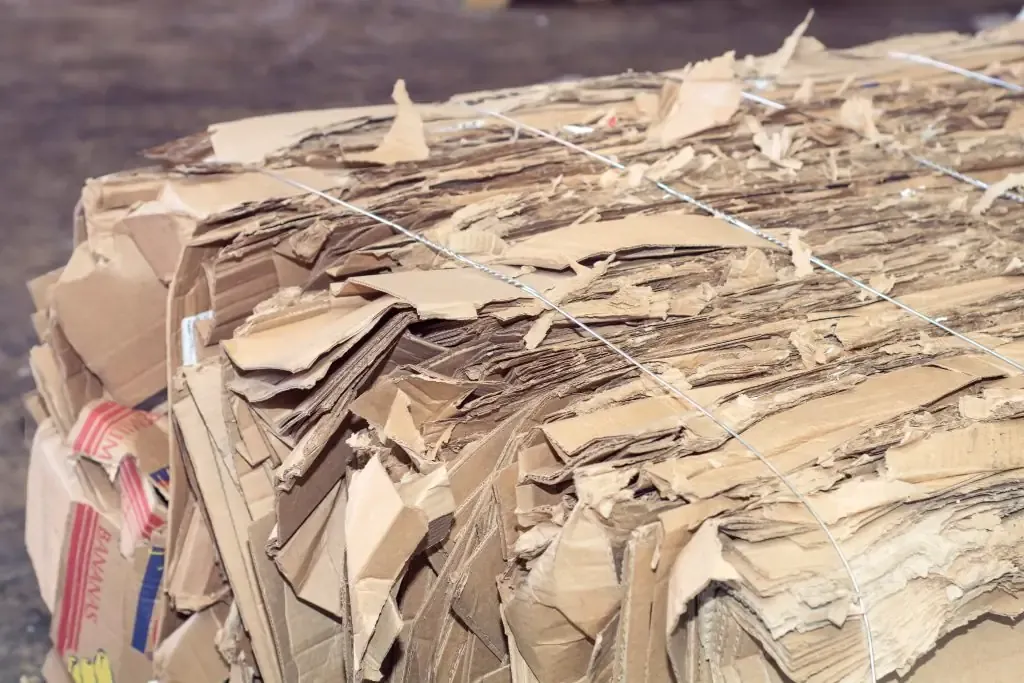
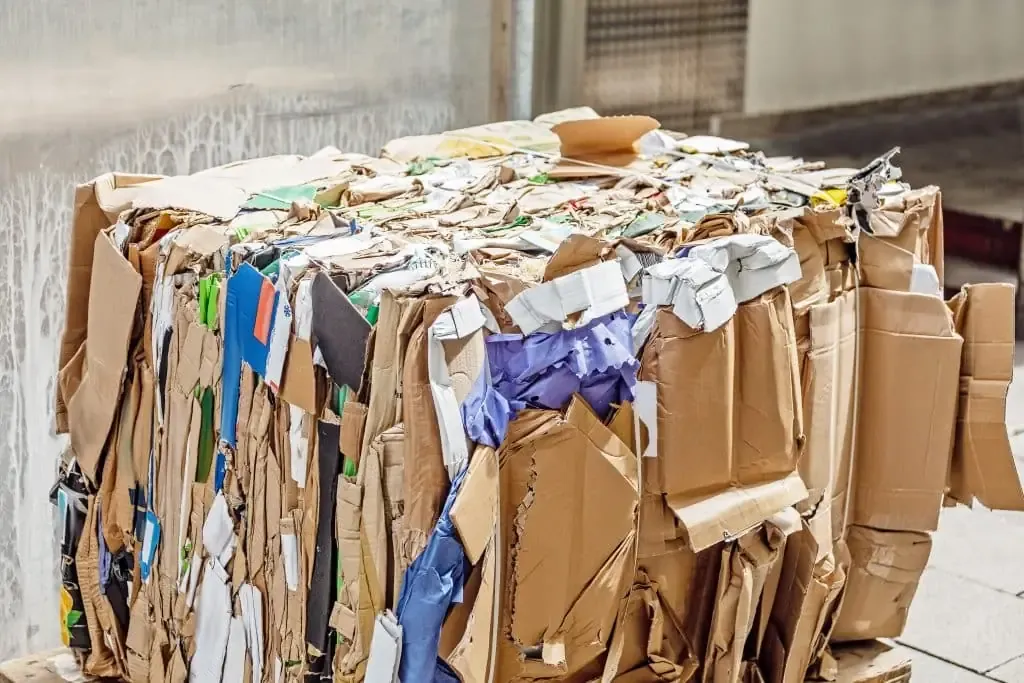
For most companies the first step is cardboard, because it shows up every day and it is worth money in a bale. A vertical baler fits in a back room, cuts dumpster pickups immediately, and turns a hauling cost into a commodity. From there, a simple program with a point person and clear bins keeps the rest of the stream moving. Our free waste stream consultation shows you the numbers for your own building.
Figures updated 2026 from the EPA's Facts and Figures about Materials, Waste and Recycling and the Recycled Materials Association's economic impact study.